Common Misconceptions About Car Windshield Replacement
Car windshield replacement is often misunderstood by vehicle owners. Many hold onto pervasive myths and long-standing misconceptions that can lead to inadequate maintenance choices or unnecessarily expensive repairs. Your vehicle's glass layout can seem structurally straightforward, but it serves as a critical structural component engineered to withstand immense kinetic stress.
This comprehensive article aims to debunk common myths, dismantle industrial fiction, and provide absolute technical clarity on the subject. Understanding the structural realities of windshield replacements can empower you to make highly informed automotive decisions. This baseline knowledge will ensure the long-term structural integrity and safety of your vehicle, while also potentially saving you from significant out-of-pocket financial losses.
Windshield Replacement is Always Necessary for Cracks
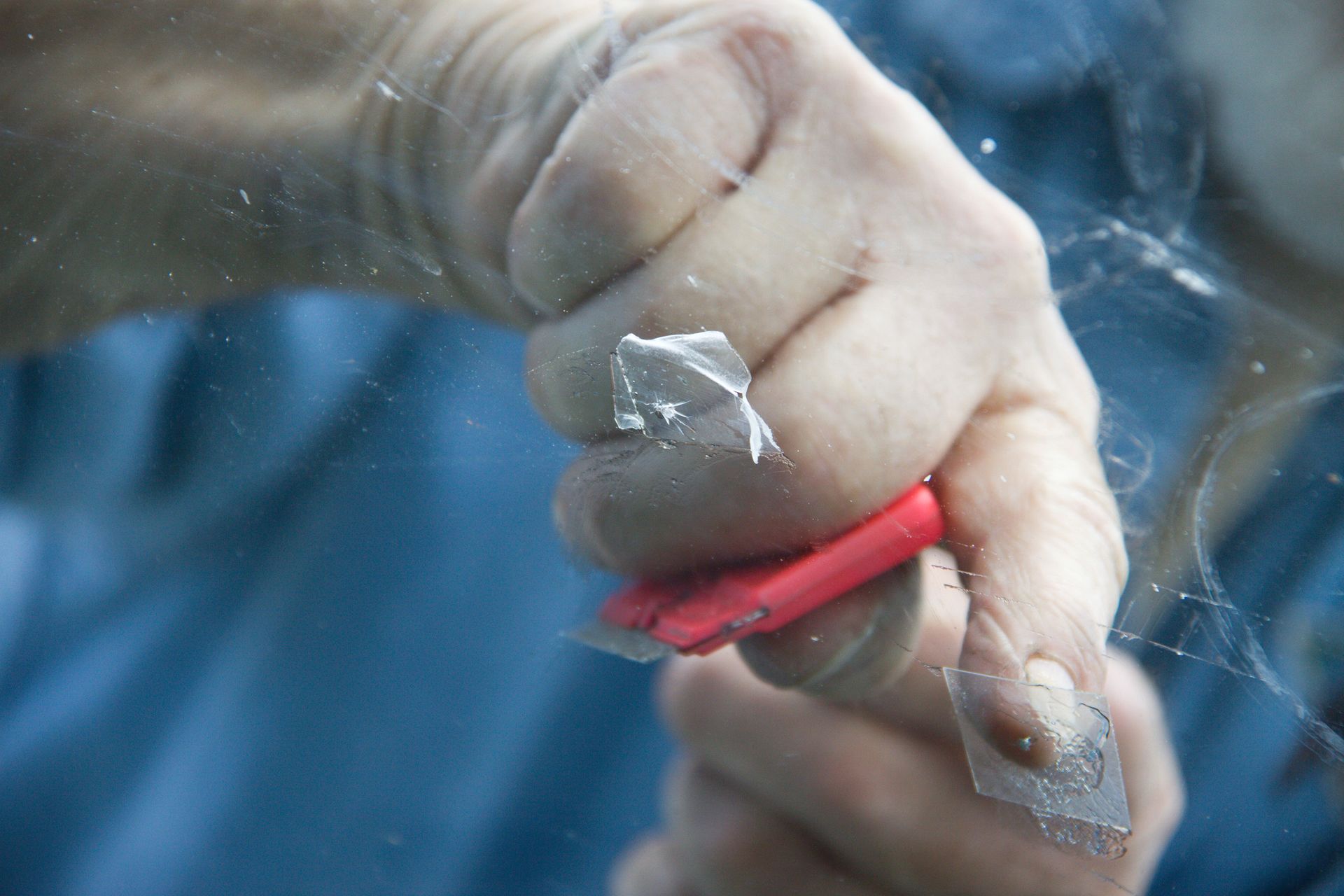
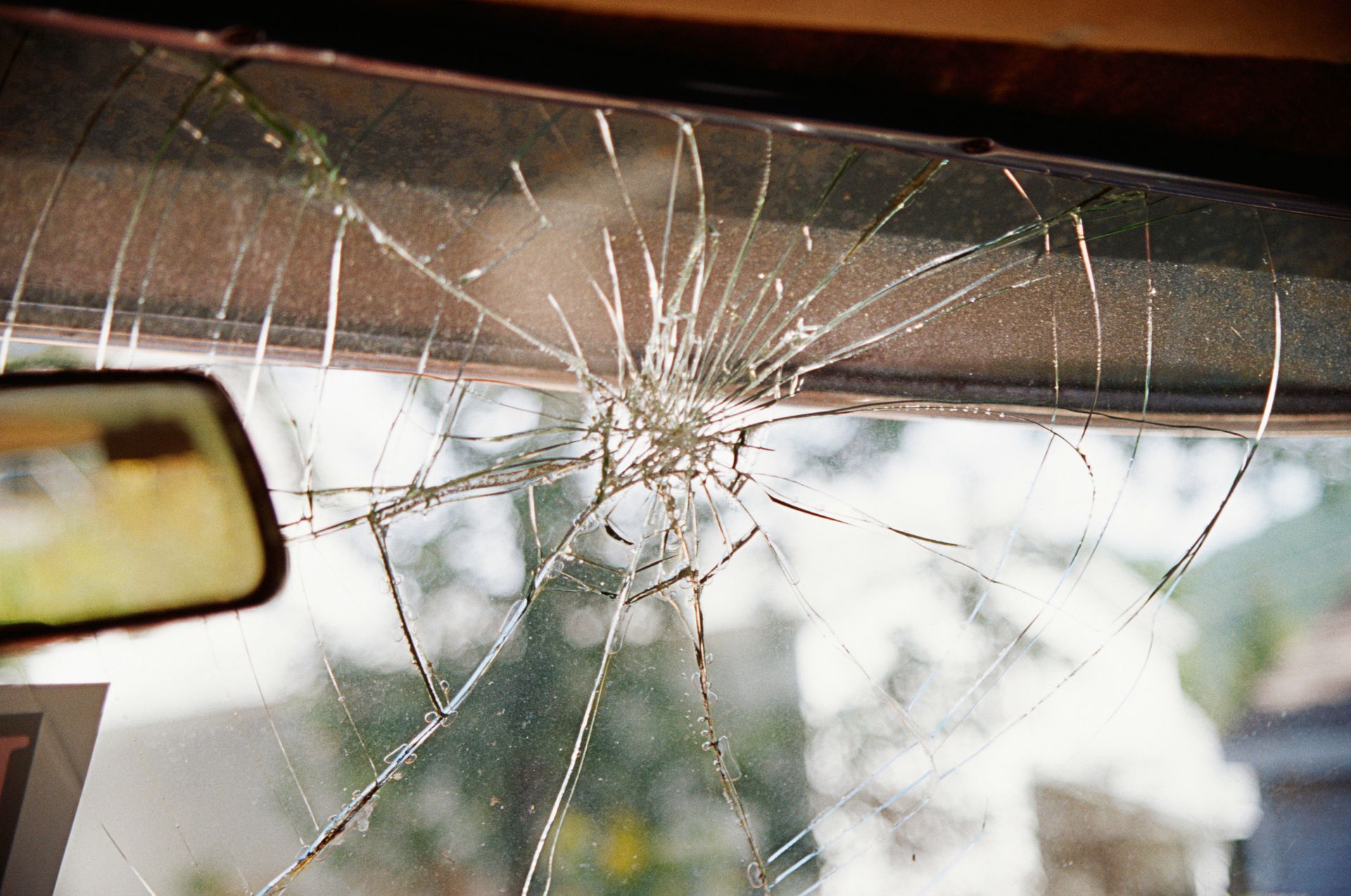
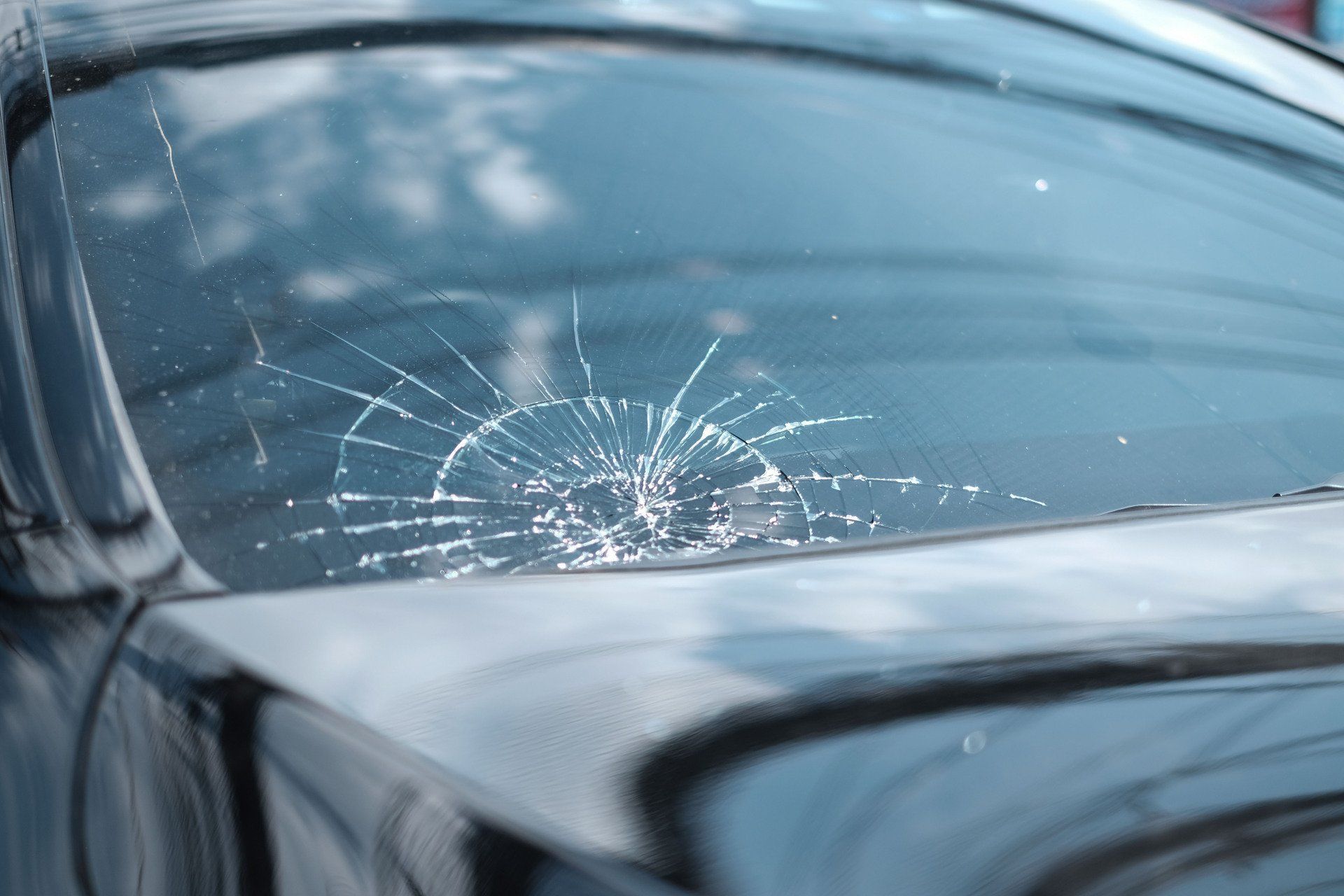
Not all vehicular glass fractures necessitate a total system extraction and a brand new replacement windshield. Automotive glass damage manifests in various distinct geometries, including circular bullseyes, radiant star chips, combination fractures, and linear stress cracks. Typically, minor surface chips and less severe cracks that measure under three inches can be successfully repaired via chemical resin injection without ever removing the original pane.
According to Insurance Journal, edge cracks account for approximately 70-80% of these windshield replacement claims. Edge cracks occur because the first two inches around the perimeter of windshields have a manufacturing defect known as “residual stresses,” which are created during the annealing process.
Because these perimeter stress fields are highly volatile, a minor thermal spike or a small pothole can cause a tiny edge chip to rapidly spider-web across the entire glass assembly, mandating a full replacement windshield to restore safety.
Fortunately, modern glass technology offers exceptionally advanced chemical solutions for stabilizing minor glass fractures before they expand. Specialized auto glass services utilize high-density, optically clear acrylic resins paired with precise UV curing systems to completely fill structural voids. Laser-guided diagnostic tools and localized vacuum pressure systems pump these advanced polymers deeply into micro-fissures, effectively restoring up to 95% of the glass assembly's original structural strength.
When analyzing the financial metrics of glass maintenance, localized structural resin repairs are vastly more economical than full structural removals. Injecting a chip can often be completed at a small fraction of the cost required to purchase and calibrate a comprehensive replacement windshield system. Furthermore, the vast majority of comprehensive auto insurance providers will completely waive your standard deductible if you opt for a structural repair over a total replacement, making early diagnostic intervention highly attractive.
Safety remains the paramount baseline consideration when evaluating glass damage. A localized resin repair is perfectly safe if the damage resides completely away from the electronic camera sensors, the perimeter edge zone, and the driver's primary line of sight. However, if a structural fracture directly penetrates the interior polyvinyl butyral (PVB) interlayer, the structural stability of the vehicle is severely compromised, and a professional replacement windshield installation becomes completely mandatory to preserve cabin safety.
DIY Kits Are Identical to Professional Installations
Attempting a DIY windshield installation via a commercial consumer kit might initially appear to be a smart, cost-saving weekend project. However, the manual installation process presents numerous hidden technical challenges that can instantly compromise the structural performance and safety of your automobile.
The physical windshield serves as a vital structural pillar; in a severe rollover accident, the glass prevents the roof from caving in, and during a front-end collision, it provides the solid backstop required for proper passenger airbag deployment. Improper DIY bonding can cause the entire glass pane to pop out during an accident, leading to catastrophic structural failures.
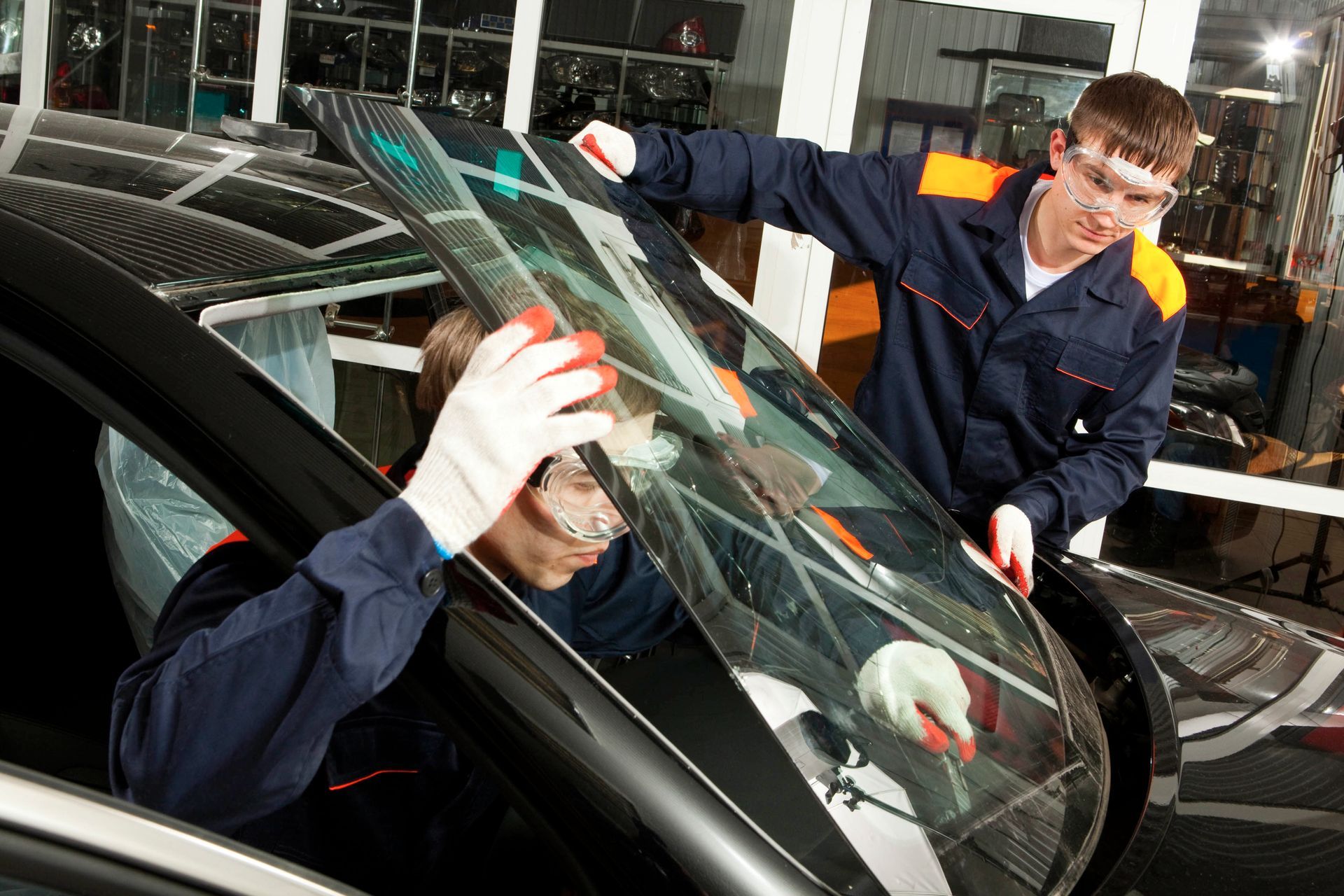
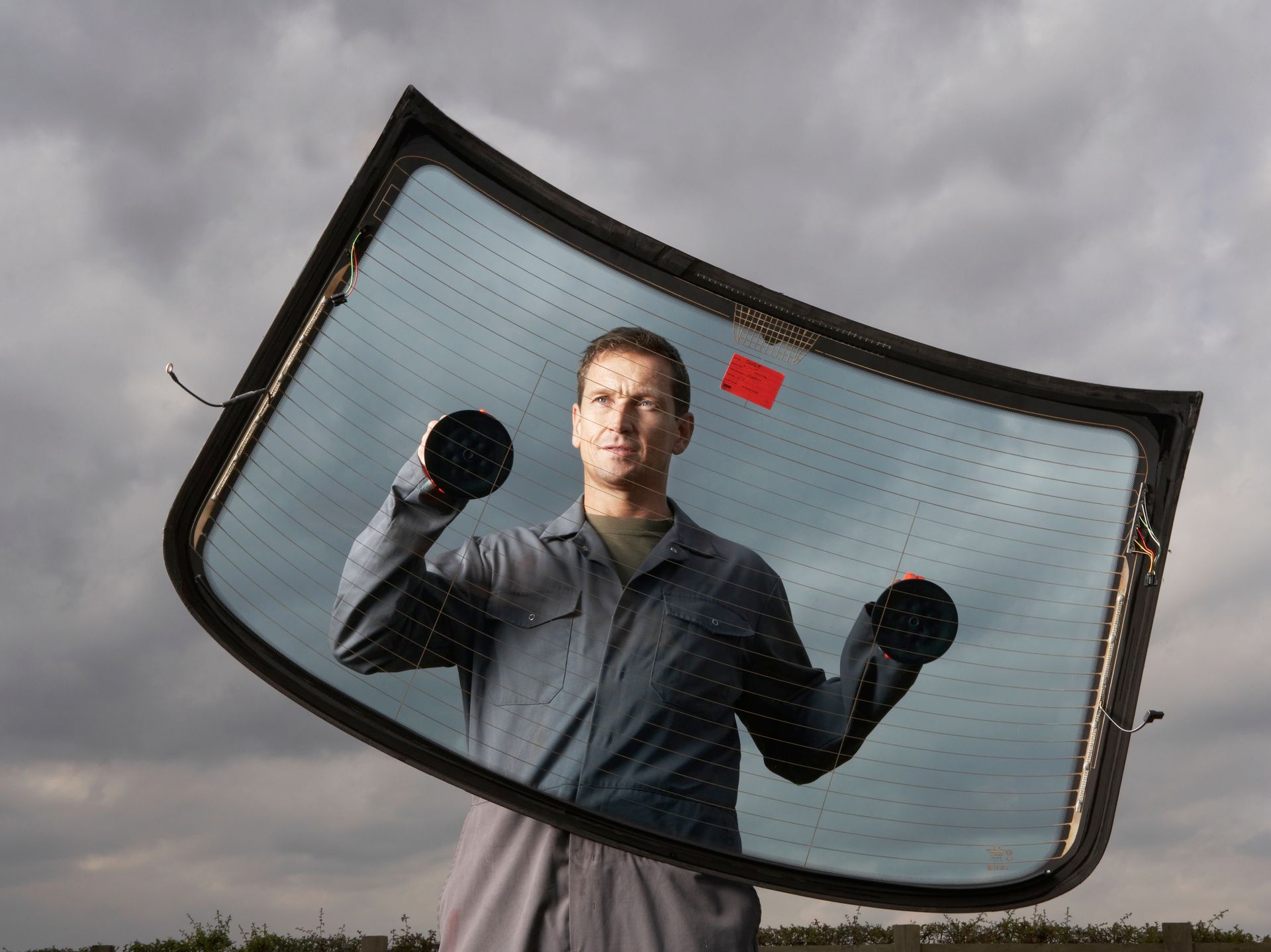
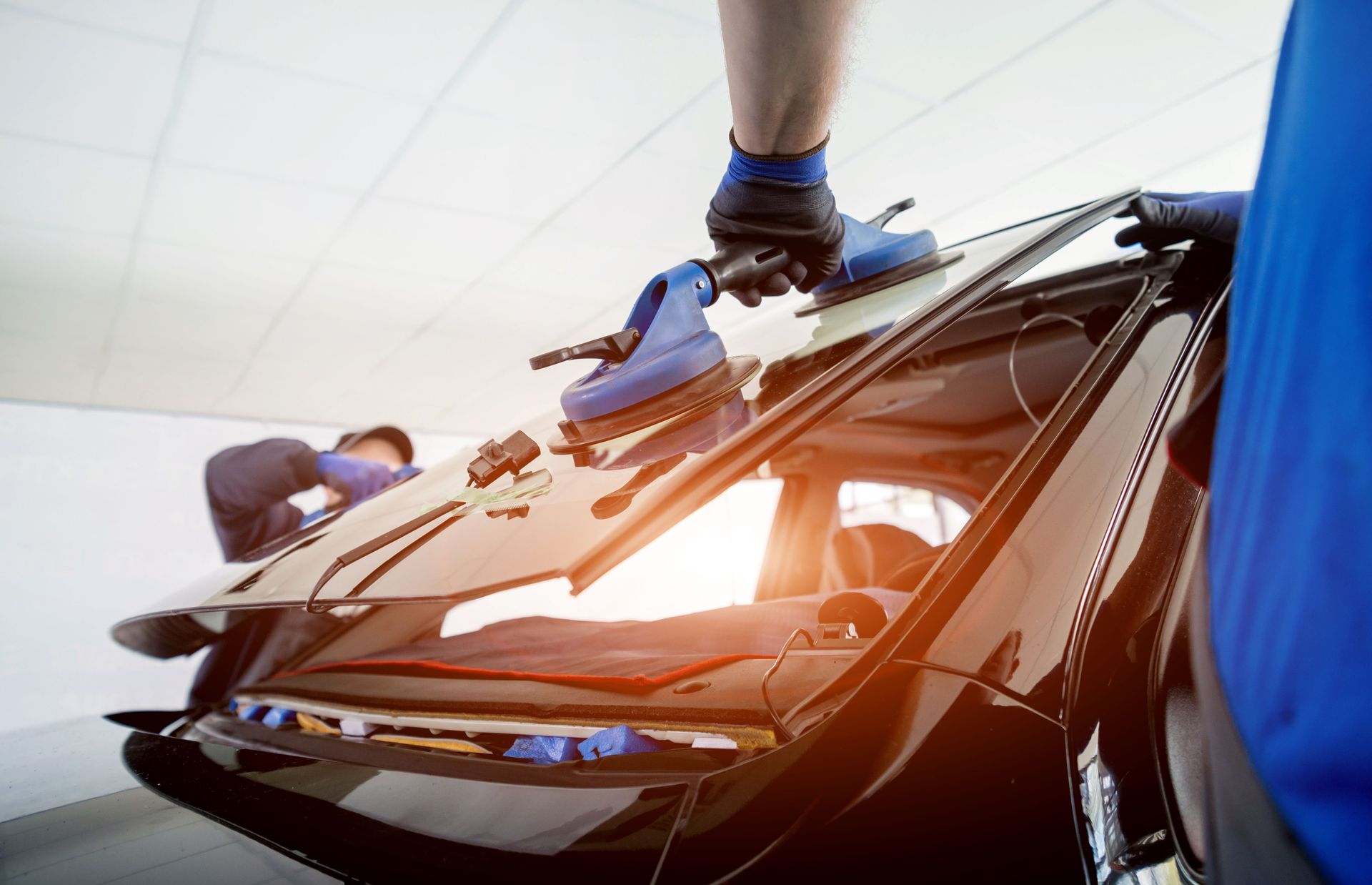
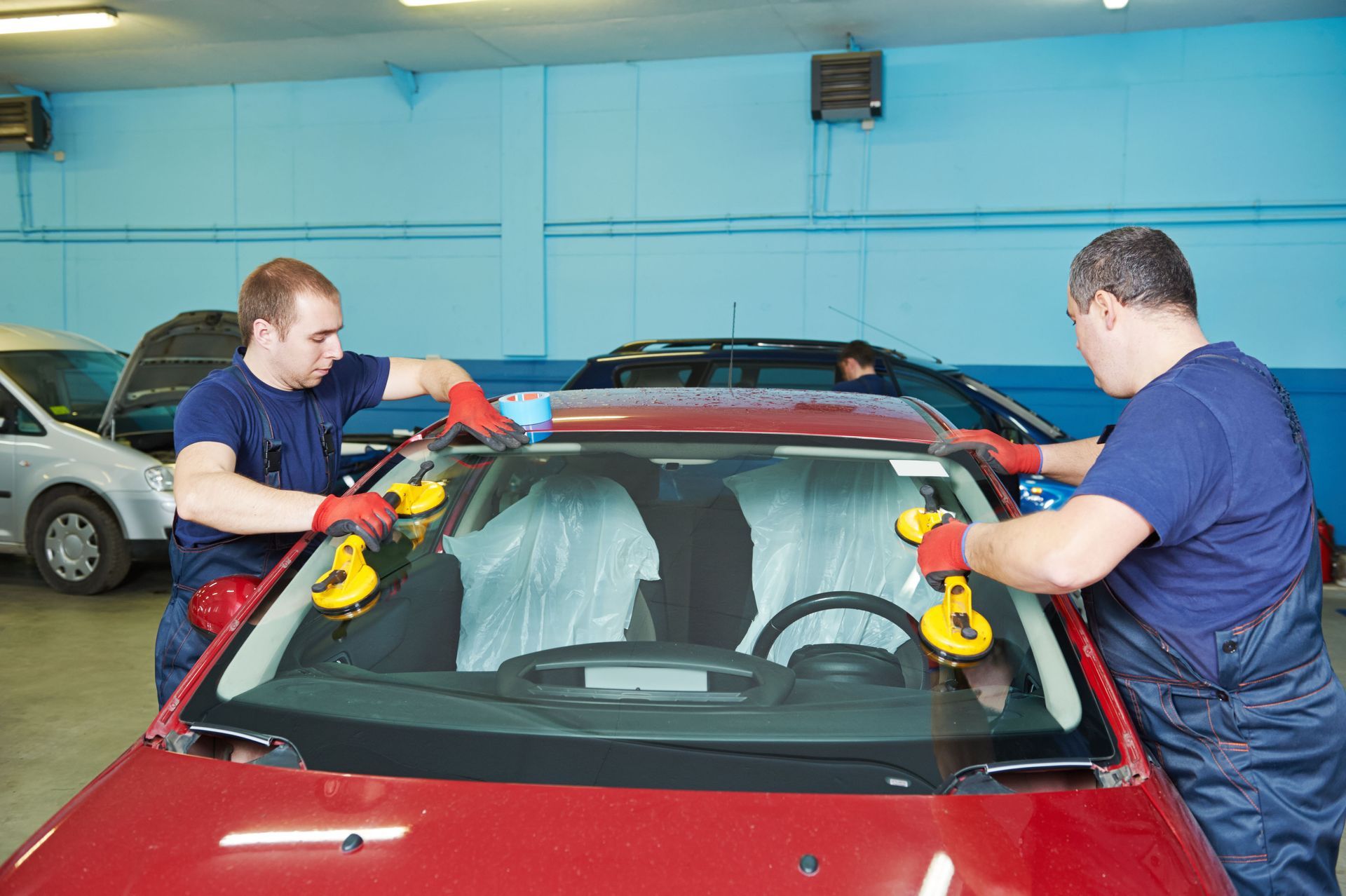
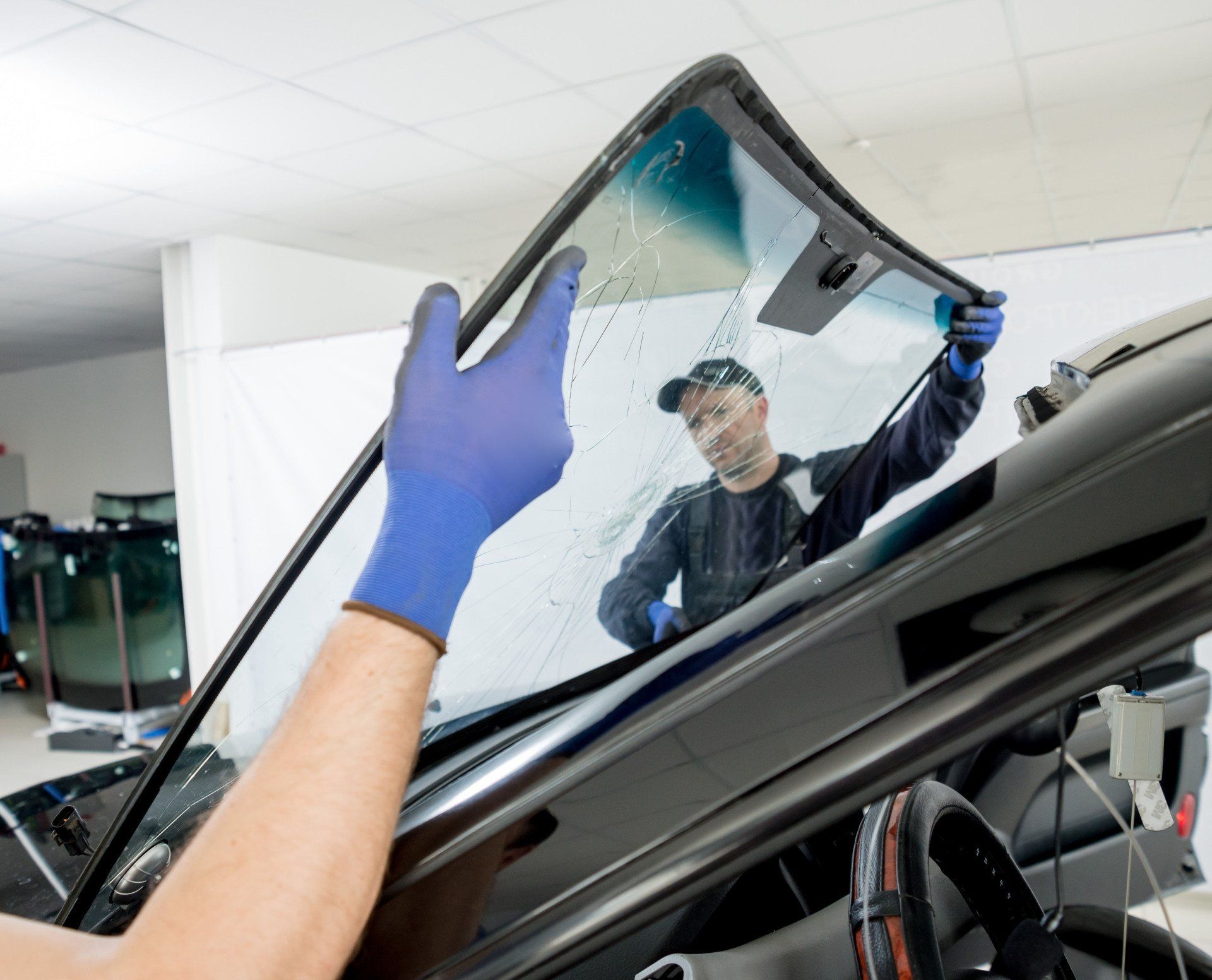
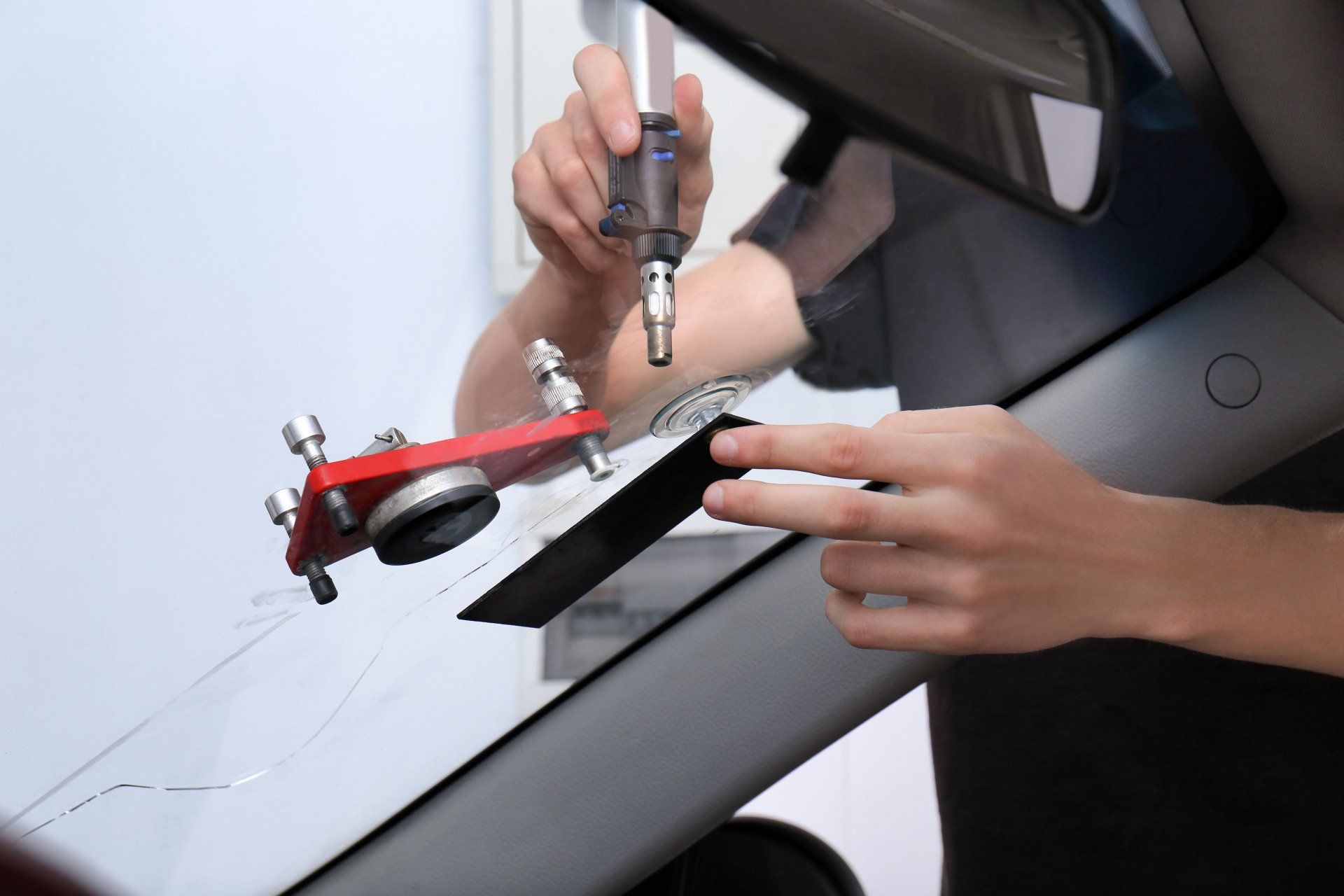
An elite, professional installation requires industrial specialty tools, heavy-duty suction lifters, and specific high-modulus polyurethane adhesives that are simply not available in consumer-grade auto parts store kits. Professionals utilize specialized electric caulking guns to apply a precise, high-viscosity urethane bead at an exact temperature, ensuring a permanent, hermetic seal.
DIY attempts usually rely on cheap, low-grade silicone compounds that lack structural load capacities, inevitably resulting in cabin water leaks, persistent high-speed wind noise, and localized rust formation along the vehicle's interior metal pinch weld.
All Automotive Glass is Engineered Equally
The structural debate between Original Equipment Manufacturer (OEM) glass and third-party aftermarket alternatives is a crucial financial consideration for vehicle owners. True OEM glass is manufactured by the exact same production facility that engineered your car's original factory windows, guaranteeing a flawless geometric fit and a matching tint.
Aftermarket glass, while occasionally cheaper, is reverse-engineered by external firms and may feature subtle dimensional variances that cause stress concentrations along the perimeter, predisposing your vehicle to premature cracks.
Opting for a premium, factory-spec replacement windshield ensures full material compatibility with your vehicle’s advanced safety electronics. Cheaper aftermarket alternatives often cut production corners during the intense heating and cooling stages, leading to optical distortions that strain the driver's eyes. Additionally, variations in glass thickness can result in a loose fit within the body cavity, severely reducing the overall structural durability of your vehicle's safety cage over extended road use.
Windshield Replacements Are Fast and Instantaneous
Many motorists mistakenly believe that they can drive their vehicle away immediately after a new pane is dropped into the frame. In reality, the safe timeline of a professional installation is fundamentally dictated by chemical curing constraints.
Once your technician positions the replacement windshield, the underlying commercial polyurethane requires a dedicated, uninterrupted window of time to polymerize and cross-link securely with the metal frame, a timeline known in the industry as the Safe Drive-Away Time (SDAT).
Environmental variables like ambient air temperature, regional humidity levels, and seasonal moisture heavily dictate how fast this chemical bonding process occurs. True structural urethanes require atmospheric moisture to activate; thus, extremely dry desert climates can actually extend the necessary curing window.
Attempting to drive your vehicle or slamming the cabin doors before the SDAT has elapsed creates a sudden internal air pressure spike that can blow micro-channels right through the wet adhesive, ruining the seal and destroying the safety metrics of your new installation.
Insurance and Advanced Sensor Calibration
Navigating comprehensive auto insurance claims for glass damage requires a clear understanding of your specific policy language. While most premium comprehensive plans include glass coverage, standard out-of-pocket deductibles will almost always apply to a full replacement windshield installation unless you reside in a state with legally mandated "zero-deductible" glass provisions.
Furthermore, modern automotive glass is no longer a simple sheet of clear material; it acts as a complex technological hub housing rain sensors, heating elements, and Advanced Driver Assistance Systems (ADAS) forward-facing cameras.
Always verify that your insurance claim completely authorizes this electronic calibration phase, as installing a raw replacement windshield without resetting the camera network leaves your primary active safety features entirely inoperable.
Dismantling the pervasive myths surrounding car windshield replacement is essential for maintaining the baseline safety, legal compliance, and long-term valuation of your vehicle. From recognizing that volatile edge cracks dictate the majority of total structural claims to understanding the critical engineering differences between generic aftermarket glass and OEM systems, making informed, quality-driven maintenance decisions prevents catastrophic failure on the highway. Partnering with a highly credentialed, glass-specific service center guarantees that your vehicle's safety cage and advanced electronic sensor networks remain completely uncompromised.
Don't risk your family's safety with subpar DIY kits, uncertified general mechanics, or uncalibrated safety cameras. For precision glass diagnostics, flawless factory-grade installations, and certified electronic ADAS calibrations you can completely trust, contact the local automotive experts at Patriot Auto Glass today to schedule your comprehensive on-site evaluation and ensure your vehicle is perfectly prepared for the road ahead.




Share On: