6 Safety Risks of Driving With a Cracked Windshield
Many automobile owners view a small fissure on their front glass as a minor aesthetic issue. Ignoring initial chips often leads to expansive structural faults that threaten occupants during daily journeys. Driving with auto glass damage introduces major hazards that go far beyond mere cosmetic flaws on the vehicle exterior. Understanding these dangers helps commuters prioritize timely repairs before minor fractures evolve into catastrophic road failures. Maintaining clear glass is fundamental to responsible vehicle ownership and daily commuter safety.
Vehicle safety systems operate as an interconnected network designed to absorb kinetic energy and protect human life. When one component suffers damage, the performance of surrounding safety mechanisms deteriorates rapidly. A crack across your view might seem manageable in fair weather, but unpredictable road conditions demand peak performance from every inch of your automobile.
Understanding the engineered function of safety glass highlights why immediate remediation is so essential. Modern automobiles rely heavily on structural bonding materials to maintain overall cabin rigidity under stress.
1. Compromising Structural Integrity
Front glass plays a foundational role in maintaining overall cabin rigidity during unpredictable roadway mishaps. A pristine panel transfers external force away from passengers, dispersing kinetic energy throughout the frame. When fractures emerge, structural stability plummets, making the cabin far more vulnerable to heavy crushing forces.
Engineers design modern automobiles using the front glass as an essential load-bearing component. Operating an automobile with compromised glass weakens the entire safety cage, exposing occupants to elevated collapse risks during unexpected high-speed crashes.
According to the Auto Glass Safety Council, the front pane supplies as much as 45% of the total structural firmness within the passenger area during a head-on impact. Removing or weakening this critical structural element leaves occupants far more susceptible to severe cabin deformation.
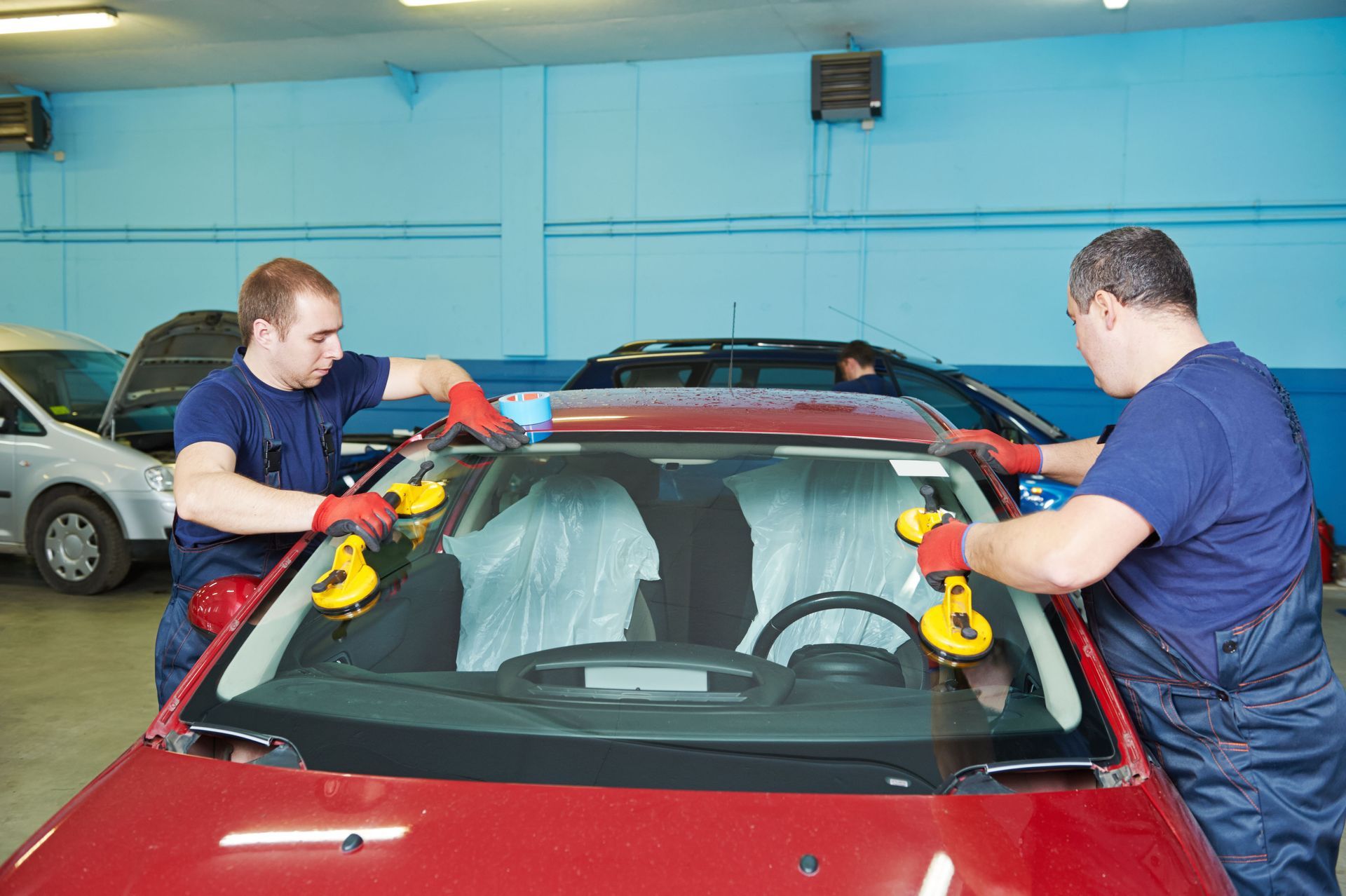
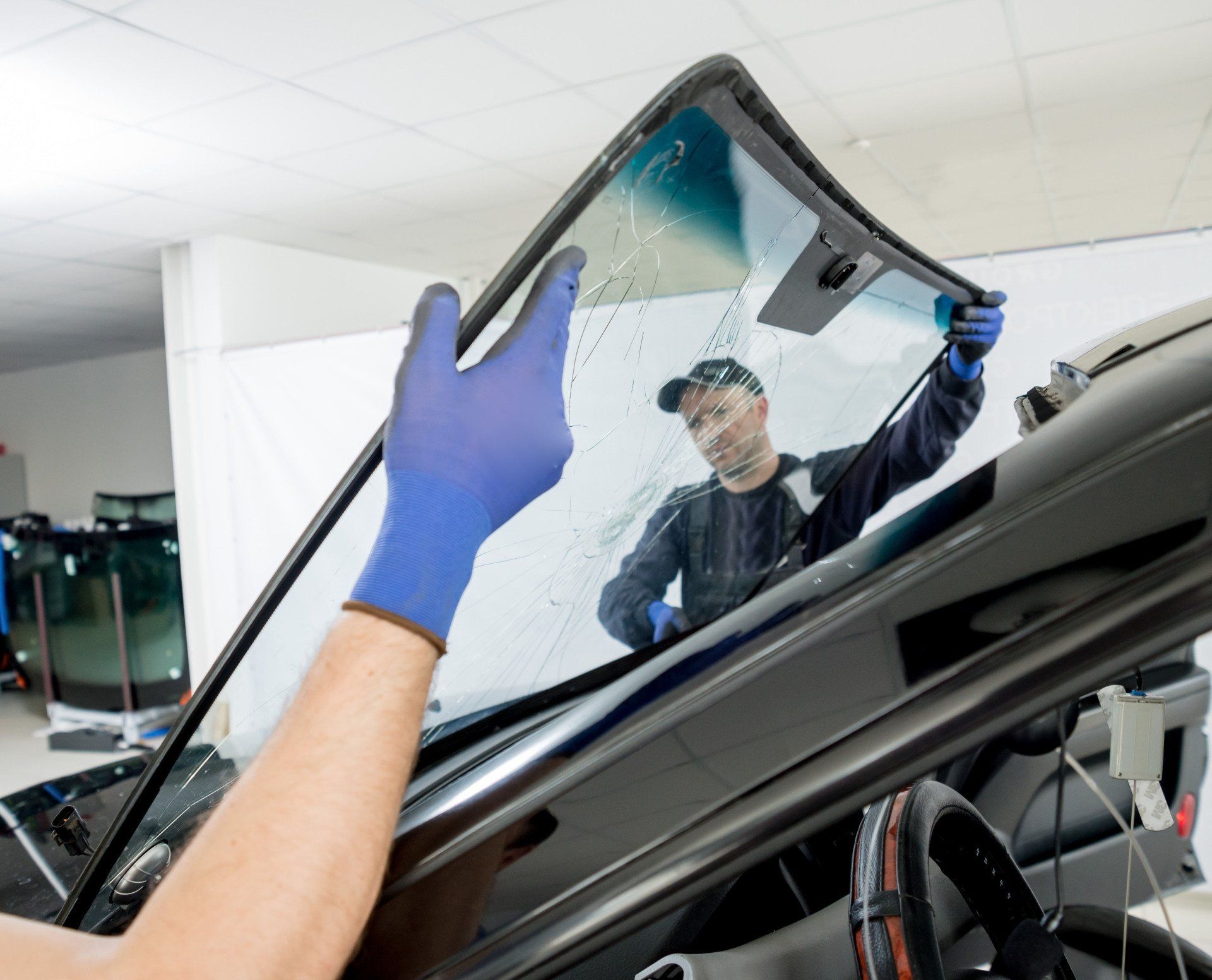
A fully intact replacement windshield restores factory strength, ensuring the cabin withstands severe impacts effectively. Prompt care prevents total structural collapses during high-speed traffic mishaps.
Delaying glass maintenance invites unnecessary vulnerability into your daily commutes. As vehicles age, frame flexing puts continuous pressure on compromised areas, accelerating crack propagation.
Proper maintenance requires professional installation using industry-standard adhesives and precision alignment techniques. Failing to address small chips allows ambient moisture to penetrate internal bonding layers, degrading structural cohesion over time.
2. Impairing Driver Visibility
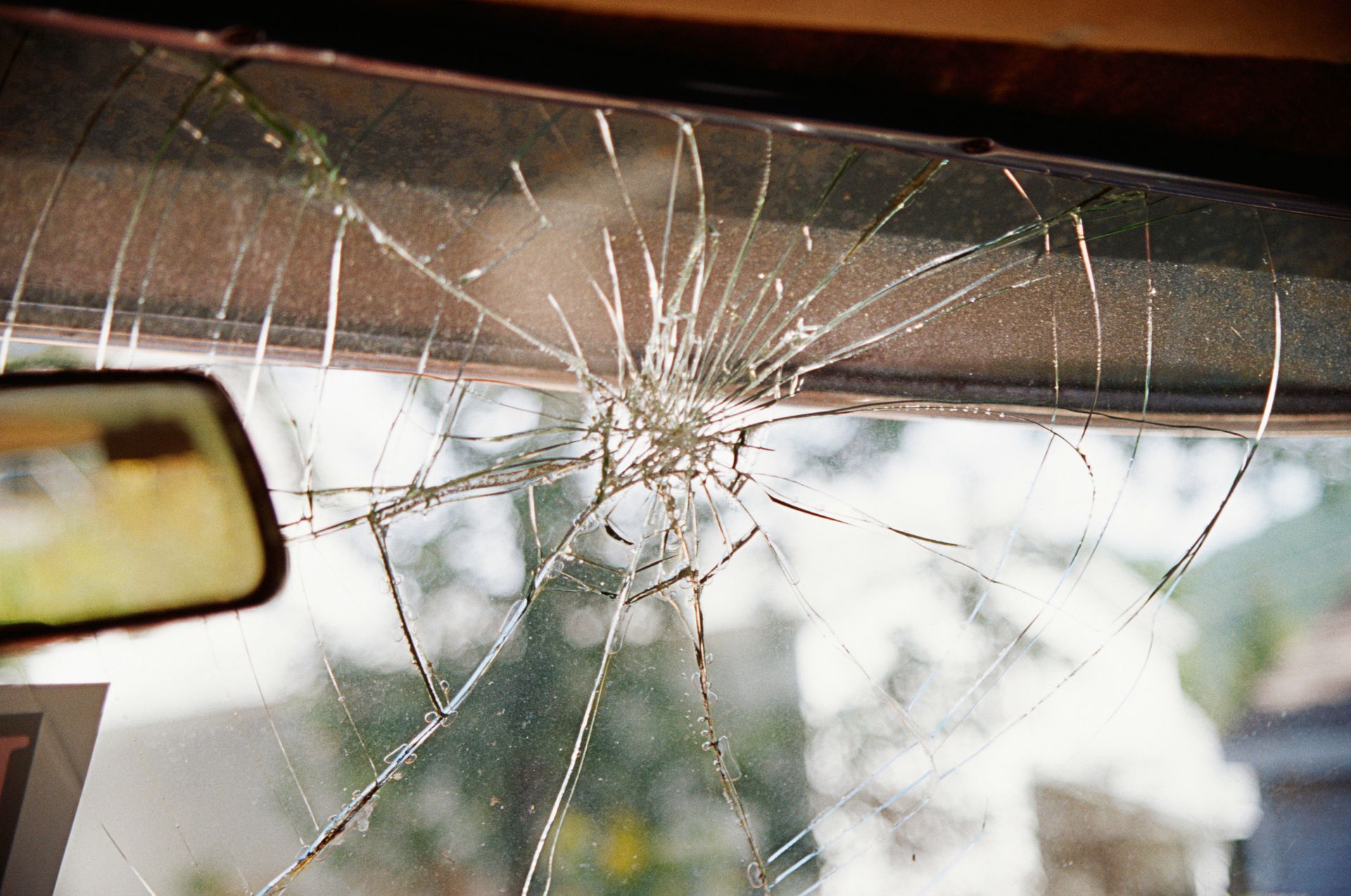
Fractured glass reflects bright sunlight directly into drivers' eyes, creating sudden blinded conditions on busy highways. Streetlights at night scatter through cracks, forming disorienting glare that masks oncoming traffic hazards. Visual distortions significantly diminish driver awareness, especially during adverse weather conditions like heavy rain or dark fog.
- Sunlight Refraction: Direct light hitting fracture edges creates blinding optical artifacts across critical sightlines, obstructing pedestrians and road signals during daytime travel.
- Nighttime Distortions: Streetlights spread glare across critical sightlines, delaying brake reactions significantly when navigating complex intersections in darkness.
Proper visibility provides drivers with precious extra seconds needed to react to sudden hazards. When glass fractures distort incoming light, your brain struggles to process surrounding traffic movement quickly. Ensuring an unobstructed view keeps your visual processing fast, sharp, and accurate in critical moments.
Driving during inclement weather compounds visual distortions caused by cracked surfaces. Raindrops settle inside micro-fractures, magnifying ambient lighting and obscuring lane markings completely. Replacing compromised glass eliminates visual artifacts and restores full optical precision for difficult driving scenarios.
Navigating complex highway interchanges requires instant perceptual clarity and uninterrupted focus. Even tiny chips situated near driver visual axes can obscure distant brake lights or pedestrian crossings. Eliminating visual obstructions ensures complete situational awareness across all operational settings.
3. Weakening Airbag Deployment
Passenger airbags rely heavily on front glass backing to deploy toward incoming occupants correctly. During collisions, expanding safety cushions hit glass surfaces to position cushions at chest level. Cracked surfaces fail under rapid expansion pressure, causing airbags to blow outward through broken glass.
Improper airbag angles leave passengers without essential cushions during violent front-end crashes. A certified replacement windshield guarantees proper backstop support for life-saving safety features. Regular maintenance protects delicate modern passenger restraint systems from unexpected mechanical failures.
Safety systems depend entirely on precise mechanical interactions to function effectively. A weakened glass panel breaks the mechanical chain required for successful airbag orientation. Replacing damaged panels keeps advanced safety systems ready to perform correctly during emergency situations.
Modern passenger-side restraint modules deploy with tremendous velocity within fractions of a second. The glass barrier must absorb this intense initial impact without shattering or dislodging from the vehicle frame.
Automotive safety engineers rigorously test restraint systems assuming pristine glass installations. When glass integrity degrades, safety testing parameters no longer apply to real-world collision outcomes.
4. Increasing Rollover Vulnerability
Roof structures rely on front glass support to prevent total cabin collapse during rollover events. Without solid glass support, vehicle roofs crush inward easily, endangering everyone seated inside. Preserving cabin space remains critical for surviving complex, multi-rotational highway accidents.
During rollover scenarios, structural glass provides vital vertical resistance against crushing forces. A vehicle tumbling across lanes creates enormous force on the upper cabin frame. Compromised glass shatters immediately, leaving thin metallic roof supports to bear full vehicle weight alone.
Investing in timely repairs eliminates structural weaknesses that invite severe rollover crush hazards. Solid glass components safeguard vital head clearance during sudden vehicular flips. Maintaining structural integrity protects passengers from devastating crushing injuries during off-road excursions or highway rollovers.
Ensuring adequate headroom during a rollover crash saves lives by maintaining a safe survival zone inside. When structural glass remains solid, upper pillars resist downward buckling much longer.
Roof crush resistance standards demand maximum structural performance from every surrounding support pillar. The front glass panel acts as a rigid bridge between lateral support columns, preventing inward buckling under weight.
Accident statistics confirm that cabin survival space correlates directly with passenger survival rates during rollovers. When glass panels remain completely intact, structural collapse risks diminish significantly during violent tumbling motions. Preserving glass strength represents a critical defense against catastrophic rollover outcomes.
5. Elevating Ejection Hazards
Laminated safety glass prevents occupants from flying through front frames during sudden decelerations. Fractures sever inner plastic safety layers that hold glass panes together under stress. Weakened glass shatters completely upon impact, removing the primary barrier keeping passengers inside vehicles.
The outer layers of safety glass bond to a flexible polyvinyl interlayer designed to catch bodies and debris. Deep cracks weaken this flexible binding, allowing objects or people to penetrate through the glass layer easily.
Seatbelts work alongside structural glass to maximize occupant containment during severe highway accidents. Selecting a proper replacement windshield ensures that protective bonding layers remain completely uncompromised.
The synthetic inner laminate layer relies on outer glass compression to maintain tensile flexibility. When outer glass surfaces fracture, environmental exposure deteriorates the internal bonding adhesive rapidly.
Maintaining occupant retention barriers protects passengers from secondary impacts with external obstacles or roadway pavement. Intact laminated assemblies flex and absorb kinetic energy rather than allowing complete pass-through during collisions. Ensuring glass integrity keeps passengers safely secured within protected cabin boundaries.
6. Failing Vehicle Inspections
State inspectors strictly penalize vehicles possessing cracks that cross active wiper blade pathways. Automobiles failing safety tests face driving bans until glass defects receive proper professional resolution. Driving damaged vehicles risks costly law enforcement citations along major municipal roadways.
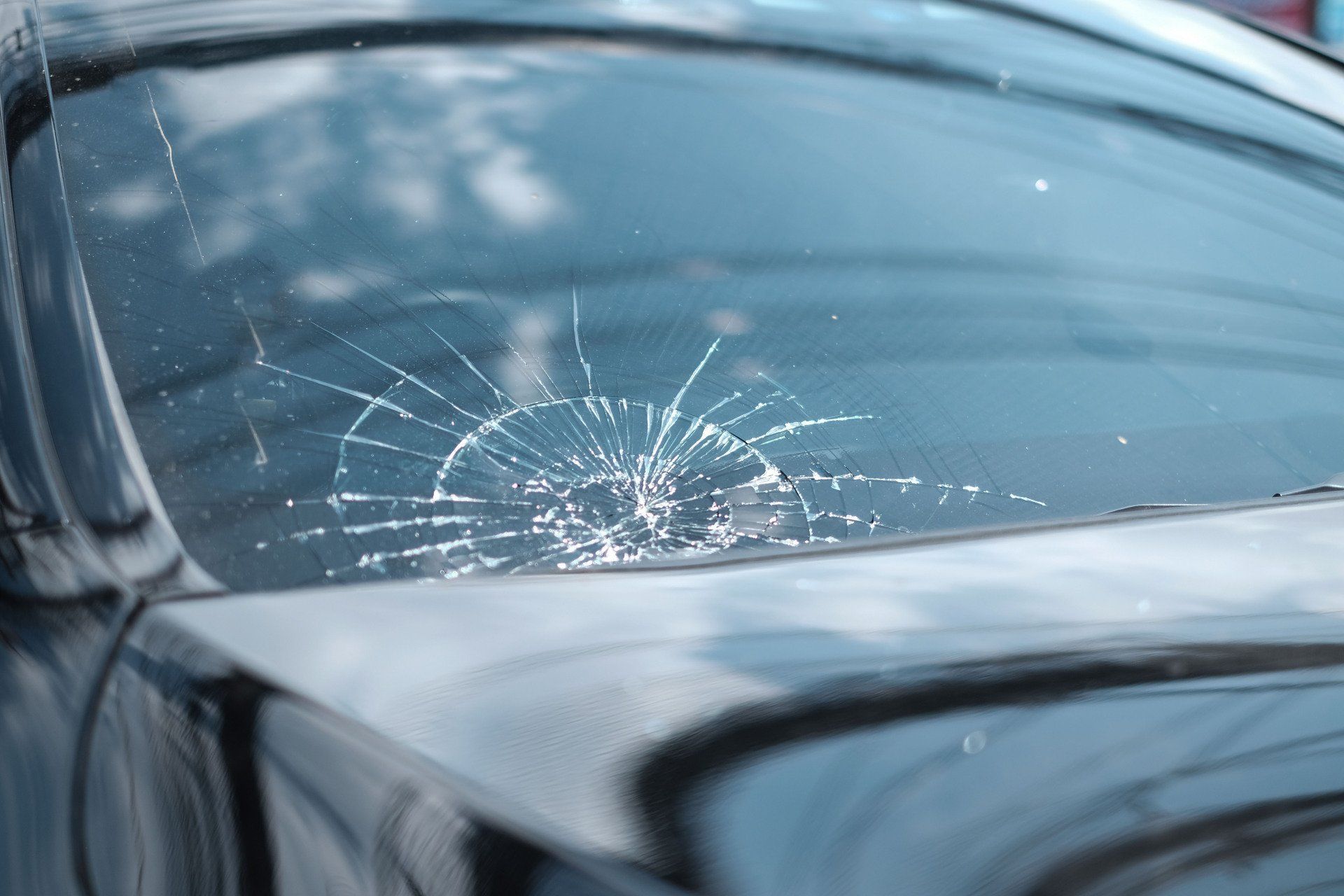
Safety inspectors evaluate glass integrity because physical fractures impair clear vision and reduce overall vehicle crashworthiness. Even minor spiderweb cracks can cause immediate inspection rejection if positioned in critical driver sightlines. Passing inspection requires glass to meet rigid state safety standards.
Resolving flaws promptly prevents unexpected fines and keeps registrations fully compliant year-round. Securing a replacement windshield resolves compliance issues while ensuring maximum daily highway safety.
Maintaining legal compliance keeps your vehicle fully operational and helps maintain resale value over time. Insurance companies may also reevaluate coverage parameters if vehicles operate with unaddressed safety violations. Prompt repairs safeguard your legal standing, peace of mind, and financial security on roads.
Maintaining clear glass documentation also simplifies insurance processing during routine policy renewals or damage claims. Insurance underwriters favor vehicles maintained according to strict safety compliance parameters. Addressing glass defects guarantees continuous legal authorization for all roadway operation.
Never compromise safety by operating vehicles with severe auto glass damage. Reach out to Patriot Auto Glass today for reliable service and flawless glass installations.






Share On: